

Contents
hide
1
Huntington Library: A Complete Guide to Its History, Collections, Gardens, and Visiting Experience
Huntington Library: A Complete Guide to Its History, Collections, Gardens, and Visiting Experience
The Huntington Library in San Marino, California, is one of America’s important cultural and research institutions. Known officially as The Huntington Library, Art Museum, and Botanical Gardens, it brings together rare historical books, manuscripts, remarkable artwork, and extensive botanical collections in one destination.
Located near Pasadena and approximately 12 miles northeast of downtown Los Angeles, The Huntington offers visitors an opportunity to explore history, literature, art, architecture, and nature. Its grounds include 130 acres of botanical gardens, while its research library holds approximately 12 million items spanning the 11th through 21st centuries.
Whether you are interested in historical documents, beautiful gardens, art exhibitions, or educational experiences, this institution offers several ways to explore cultural heritage. This guide explains its history, collections, attractions, admission information, and everything visitors should know before planning a trip.
Where Is the Huntington Library Located?
The Huntington is located at:
1151 Oxford Road, San Marino, California 91108, USA.
San Marino is a residential city in Los Angeles County, close to Pasadena. Its location makes the institution accessible to visitors exploring the greater Los Angeles area.
The campus has designated entrances on Oxford Road and Allen Avenue. Visitors arriving by car can use the institution’s parking facilities, although spaces may become limited during weekends, holidays, and busy seasons.
For rideshare services, the institution provides a designated passenger drop-off area. Public transportation is another option, but nearby bus stops are approximately one mile away.
History of the Huntington Library
The history of The Huntington is closely connected to Henry E. Huntington, an American businessman, railroad executive, and collector.
In 1903, Henry E. Huntington purchased the San Marino Ranch. The property originally included agricultural land, orchards, and other working ranch facilities. Over time, Huntington developed the estate into a place for collecting books, artwork, and botanical specimens.
His wife, Arabella Huntington, also played an important role in developing the art collections. Her interest in collecting helped shape the institution’s cultural and artistic identity.
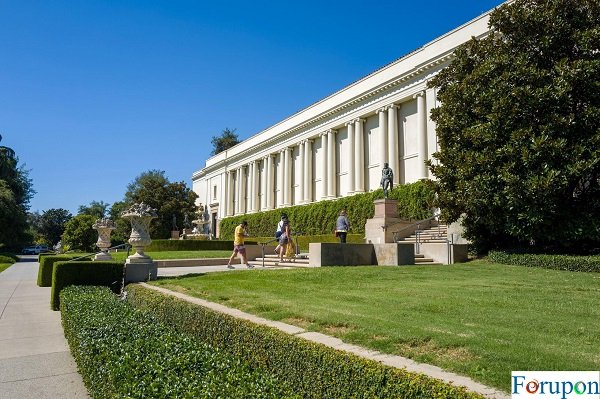
The original library building opened in 1919. Designed by architect Myron Hunt, the building provided space for library collections and public exhibitions. As the collections expanded, additional facilities were developed to accommodate researchers and historical materials.
Today, The Huntington operates as a major independent research library, art museum, and botanical institution. Its work includes preserving valuable historical objects, supporting academic research, providing educational opportunities, and making cultural collections accessible to the public.
What Makes the Huntington Library Special?
The Huntington is different from an ordinary public library because it combines three major cultural resources.
1. A Major Research Library
The library holds approximately 12 million items, including rare books, manuscripts, historical photographs, maps, and other research materials.
Its collections support research into subjects such as British and American history, literature, science, technology, and the American West.
2. An Art Museum
The art museum contains historical and artistic collections from different periods. Visitors can explore European and American artwork, temporary exhibitions, and selected displays of historical materials.
3. Extensive Botanical Gardens
The botanical gardens cover approximately 130 acres and feature themed landscapes, rare plants, and living collections.
These three areas make The Huntington a destination for people with different interests, from students and researchers to families, gardeners, and art enthusiasts.
Exploring the Huntington Library’s Collections
One of the most important features of the Huntington Library is its collection of historically significant materials.
These resources help researchers understand literature, political history, science, technology, and cultural developments.
Rare Books and Manuscripts
The library has important collections of medieval manuscripts and early printed books.
Notable holdings include:
-
The Ellesmere manuscript of Geoffrey Chaucer’s The Canterbury Tales.
-
A surviving vellum copy of the Gutenberg Bible.
-
Important British literary manuscripts.
-
Historical American books and documents.
These materials provide valuable evidence of how written communication, literature, and printing developed over centuries.
American Historical Collections
The Huntington preserves significant historical materials related to the development of the United States.
Its Americana collections include materials connected with Abraham Lincoln, George Washington, and Thomas Jefferson, as well as Benjamin Franklin’s original autobiography manuscript.
Researchers can use these resources to investigate American politics, society, literature, and historical events.
American West Collections
The library also holds important materials about the American West.
These include photographs, historical records, and documents connected with migration, transportation, industry, and the experiences of different communities.
Such collections help historians understand how western regions developed and how economic and social changes influenced American life.
Science and Technology Collections
Historical scientific publications and related materials allow researchers to investigate developments in scientific knowledge and technological innovation.
The collections connect historical discoveries with broader questions about education, experimentation, and the development of modern science.
Huntington Art Museum
The Huntington Art Museum is another major attraction on the campus.
Its collections include European and American artwork, historical objects, and temporary exhibitions.
European Art
European collections include paintings and decorative arts from different historical periods.
Visitors can explore artistic styles, historical subjects, and the development of European visual culture.
American Art
The Virginia Steele Scott Galleries of American Art feature works connected with American artistic traditions.
The collections offer opportunities to understand how American artists represented landscapes, people, architecture, and social life.
Temporary Exhibitions
The Huntington also presents temporary exhibitions that explore different historical, artistic, and cultural subjects.
Exhibitions can change over time, so visitors should review the official events and exhibitions calendar before arriving.
Visitor note: Some galleries may have temporary closures. Check the current visitor information before planning your visit.
Exploring the Huntington Botanical Gardens

The botanical gardens are among the most attractive features of The Huntington. They cover approximately 130 acres and contain 16 themed gardens.

Visitors can explore different plant environments, garden designs, and botanical collections while learning about plant conservation and horticulture.

Chinese Garden
The Chinese Garden, also known as the Garden of Flowing Fragrance, features traditional Chinese-inspired landscaping, water features, architectural structures, and carefully arranged plants.
It provides an opportunity to appreciate Chinese garden design and its relationship with nature, art, and cultural traditions.
Japanese Garden
The Japanese Garden offers a peaceful landscape influenced by traditional Japanese garden design.
Its features include carefully maintained plants, water elements, bridges, and a historic Japanese residential structure known as the Japanese Heritage Shōya House.
The Shōya House offers insight into rural Japanese life approximately 300 years ago.
Desert Garden
The Desert Garden features plants adapted to dry environments.
Visitors can discover different types of cacti, succulents, and other drought-tolerant plants. It is also an interesting place to learn how plants survive in environments with limited rainfall.
Rose Garden
The Rose Garden features different varieties of roses and offers seasonal floral displays.
It is especially attractive to visitors interested in gardening, photography, and landscape design.
Botanical Research and Conservation
The Huntington’s botanical collections are not simply decorative gardens.
They also support conservation, research, education, and the preservation of important plant species.
Collections include orchids, camellias, cycads, and bonsai. Botanical research and educational programs help visitors understand plant diversity and conservation challenges.
Huntington Library Tickets and Admission Prices
Visitors generally need admission tickets to explore the public gardens and art museum.
The following are the published general admission prices listed by The Huntington for 2026.
Related Posts
| Visitor category | Monday–Thursday | Friday–Sunday, holidays and peak seasons |
|---|---|---|
| Adults | $29 | $34 |
| Seniors (65+) | $24 | $28 |
| Military | $24 | $28 |
| Students | $24 | $28 |
| Youth (4–11) | $13 | $15 |
| Children under 4 | Free | Free |
| Museums for All | $5 | $5 |
Prices in US dollars. Check the official admission page for current rates, eligibility, and conditions.
How to Get Tickets
Visitors can purchase tickets through the official Huntington website.
The general process is:
-
Open the official website.
-
Visit the Plan Your Visit section.
-
Select the appropriate admission category.
-
Choose an available date and arrival time.
-
Complete the reservation process.
-
Review your ticket details before arriving.
Tickets are nontransferable and valid for the selected date.
Reservations are required Friday through Sunday, on holidays, and during designated peak seasons.
Can You Visit the Huntington Library for Free?
Yes. The Huntington offers a monthly Free Day.
The first Thursday of each month is generally designated as Free Day, with advance reservations required. Tickets are released on the last Thursday of the preceding month at 9 a.m., subject to availability.
The Museums for All program also offers $5 admission for an eligible SNAP EBT cardholder and up to three guests.
Always check the official Free Day page because tickets are limited and special arrangements may apply.
Huntington Library Opening Hours
The regular public visiting hours are:
| Day | Opening hours |
|---|---|
| Monday | 10 a.m.–5 p.m. |
| Tuesday | Closed |
| Wednesday | 10 a.m.–5 p.m. |
| Thursday | 10 a.m.–5 p.m. |
| Friday | 10 a.m.–5 p.m. |
| Saturday | 10 a.m.–5 p.m. |
| Sunday | 10 a.m.–5 p.m. |
These are regular hours, not a guarantee that every building or garden is accessible throughout the day.
Some areas have separate schedules or temporary closures. The Japanese Heritage Shōya House, for example, generally operates Wednesday through Monday from noon until 4 p.m.
Check the official calendar for holiday schedules, seasonal changes, and special closures before traveling.
Important 2026 Update: Library Exhibition Hall Construction
Visitors should understand an important change before planning their trip.
The Huntington is currently undertaking a major Library/Art Building project to restore the historic public-facing library wing and modernize its facilities.
As of November 2026:
-
The Library Exhibition Halls are temporarily closed.
-
The halls are anticipated to reopen in spring 2029.
-
The botanical gardens remain open.
-
The art museum and exhibitions continue operating, subject to individual gallery closures.
-
Library materials are displayed in other locations across the campus.
-
Reading rooms and research services remain available to eligible researchers.
This means visitors can still enjoy much of The Huntington, but should not expect to access the historic Library Exhibition Halls during the construction period.
How to Get to the Huntington Library
The Huntington is located in San Marino, California, near Pasadena and the greater Los Angeles area.
By Car
Driving is a convenient option for many visitors. Enter the official Oxford Road address into your navigation application.
Free parking is available, but capacity may become limited during busy periods.
Visitors can use rideshare services and take advantage of the designated passenger drop-off and pickup area near Admissions.
By Public Transportation
Public transportation is possible, but the nearest bus stops are approximately one mile away.
Check local transit schedules and walking distances before traveling.
By Bicycle
Bicycle racks are available between the parking lot and the Admissions area.
How to Access the Huntington Research Library
The research library is different from the public gardens and museum.
It provides access to specialized historical resources for researchers who need to examine original materials.
According to the library’s research guidance, researchers must have a justified need to use its collections. Researchers generally must be over 18 and complete the required registration and orientation process.
Steps to Access the Library
-
Review the official Using the Library information.
-
Identify the historical materials you need.
-
Understand the library’s access requirements.
-
Prepare an appropriate government-issued photo ID.
-
Attend the required first-visit orientation.
-
Obtain a library card and follow reading-room procedures.
Access to the research library is free, and an ordinary museum admission ticket or membership purchase is not required for research access.
The library provides free lockers for personal belongings. Certain items, including food, beverages, and pens, are not permitted in the reading rooms.
What to Know Before Visiting the Huntington Library
A little preparation can make your visit more enjoyable.
Consider these practical tips:
-
Check opening hours: Confirm the operating schedule before leaving.
-
Book tickets: Reserve in advance, especially on weekends and holidays.
-
Review construction updates: Some buildings and exhibition spaces are temporarily closed.
-
Wear comfortable shoes: Exploring the gardens involves considerable walking.
-
Check the weather: Outdoor garden experiences can vary with seasonal conditions.
-
Review photography rules: Different areas may have different restrictions.
-
Plan your route: Use the official visitor map to locate gardens, galleries, restaurants, and restrooms.
-
Allow enough time: The large grounds and multiple attractions make a rushed visit less enjoyable.
The Huntington also provides a digital visitor guide with maps, information about exhibitions, and self-guided audio tours.
Is the Huntington Library Worth Visiting?
For many visitors, yes.
The Huntington offers a combination of cultural, historical, artistic, and botanical experiences that makes it different from a conventional library or museum.
It can be particularly worthwhile for:
-
History enthusiasts interested in rare books and manuscripts.
-
Art lovers who enjoy historical paintings and exhibitions.
-
Garden enthusiasts interested in plant collections and landscape design.
-
Students and researchers exploring historical resources.
-
Families looking for educational cultural experiences.
-
Travelers exploring Pasadena and the Los Angeles area.
However, visitors primarily interested in seeing the historic library exhibition halls should remember that these spaces are closed during the current construction project.
Overall, the gardens, art collections, educational programs, and research resources provide several reasons to consider visiting.
12. Frequently Asked Questions (FAQs)
1. What is the Huntington Library famous for?
The Huntington is famous for its rare books, historical manuscripts, art collections, and extensive botanical gardens. Its collection includes the Ellesmere manuscript of The Canterbury Tales and a Gutenberg Bible.
2. Where is the Huntington Library located?
It is located at 1151 Oxford Road, San Marino, California 91108, near Pasadena and approximately 12 miles northeast of downtown Los Angeles.
3. Is the Huntington Library free to visit?
General admission is paid. However, the institution offers a monthly Free Day on the first Thursday of each month with advance reservations. Eligible visitors can also use the Museums for All program.
4. What are the Huntington Library’s opening hours?
Regular public hours are 10 a.m. to 5 p.m., Wednesday through Monday. The institution is normally closed on Tuesdays.
5. Can visitors access the research library?
Yes. Eligible researchers can access the research library after meeting its requirements and completing the necessary orientation. Research access is free and does not require a museum admission ticket.
6. Are the Huntington Library exhibition halls open?
No. As of November 2026, the Library Exhibition Halls are temporarily closed for construction. They are anticipated to reopen in spring 2029.
7. How many gardens does the Huntington have?
The Huntington has 16 themed gardens covering approximately 130 acres. Popular attractions include the Chinese Garden, Japanese Garden, Desert Garden, and Rose Garden.
8. Is parking free at the Huntington Library?
Yes. Parking is free, although spaces may become limited during weekends, holidays, and peak visiting seasons.
9. How long should you spend at the Huntington?
The time depends on your interests. Visitors who want to explore the gardens, art galleries, and exhibitions should allow several hours. A longer visit may be appropriate for people interested in exploring the grounds in greater detail.
10. Can you take photographs at the Huntington?
Photography rules depend on the location and type of photography. Visitors should review the institution’s photography policies and follow restrictions in individual galleries and garden areas.
11. Is the Huntington Library suitable for families?
Yes. Families can explore the botanical gardens, view artwork, and participate in educational activities and programs. Check the events calendar for family-friendly opportunities.
12. Does the Huntington have digital library collections?
Yes. The institution provides digital collections and virtual research resources that allow people to explore selected historical materials online.