

Contents
hide
1
Urgent Care Near Me: How to Find a Nearby Clinic and Get the Right Medical Care
Urgent Care Near Me: How to Find a Nearby Clinic and Get the Right Medical Care
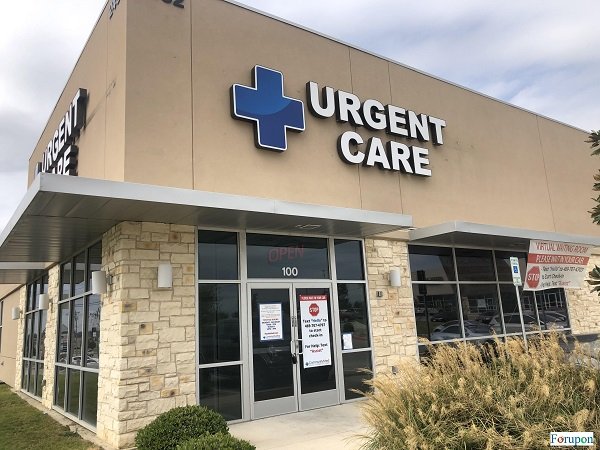
Finding reliable medical attention quickly can make a stressful situation easier to manage. Whether you have a persistent sore throat, a minor injury, a fever, or an unexpected infection, an urgent care center may provide the treatment you need without waiting several days for a primary care appointment.
When searching for urgent care near me, you want more than a list of nearby medical facilities. You need to know which clinics are open, what conditions they treat, whether they accept your insurance, and whether their services match your medical needs.
Urgent care centers provide treatment for many non-life-threatening illnesses and injuries that require prompt attention. However, they are not substitutes for hospital emergency departments. Understanding the difference can help you choose appropriate care, avoid unnecessary delays, and make informed healthcare decisions.
This guide explains how to find a nearby urgent care clinic, what services to expect, how much treatment may cost, and when you should visit an emergency room instead.
What Is Urgent Care?
Urgent care is a type of medical service designed to treat illnesses and injuries that require attention relatively quickly but are not life-threatening emergencies.
Urgent care centers generally operate outside traditional primary care office hours, although their schedules vary. Many accept walk-in patients, while others offer online appointment scheduling or reservations.
These facilities commonly treat patients with conditions such as:
-
Cold and flu symptoms.
-
Sore throats and earaches.
-
Minor infections.
-
Mild allergic reactions.
-
Small cuts and minor burns.
-
Minor fractures.
-
Skin rashes.
-
Urinary tract infection symptoms.
Some clinics also provide diagnostic testing, basic laboratory services, X-rays, vaccinations, and physical examinations.
However, available services differ between facilities. A clinic offering X-rays and injury treatment may have capabilities that another walk-in location does not.
According to MedlinePlus, urgent care can be appropriate for non-life-threatening problems when a patient cannot see their regular healthcare provider soon enough.
adult: MedlinePlus Medical Encyclopedia+1
How to Find Urgent Care Near Me
Finding an appropriate medical facility involves more than choosing the closest location on a map. You should also confirm that the clinic is open, offers the services you need, and accepts your health insurance.
Here are practical ways to locate a nearby urgent care center.
1. Search Using Online Maps
Online mapping services are among the easiest ways to discover medical facilities near your current location.
Open Google Maps or another trusted mapping application and enter:
-
Urgent care near me.
-
Walk-in clinic near me.
-
Urgent care open now.
-
Same-day medical clinic near me.
-
Immediate care center near me.
Search results may display clinic addresses, telephone numbers, directions, business hours, patient reviews, and website links.
However, map listings are not always updated immediately. Always confirm operating hours directly with the clinic before traveling.
2. Check Official Clinic Websites
After finding a few nearby facilities, visit their official websites.
Look for information about:
-
Current operating hours.
-
Walk-in availability.
-
Online appointment booking.
-
Accepted insurance plans.
-
Available medical services.
-
On-site laboratory testing.
-
X-ray availability.
-
Contact information.
Some healthcare providers publish estimated wait times or allow patients to reserve a place in a virtual queue.
Remember that a reservation does not necessarily guarantee immediate treatment.
3. Contact Your Health Insurance Provider
Your insurance company may provide an online directory of in-network urgent care facilities.
Check your insurance company’s member portal or call the customer service number on your insurance card.
Ask whether the clinic participates in your specific health plan and whether you need to pay a copay, coinsurance, or deductible.
This step can help prevent unexpected healthcare expenses.
4. Compare Nearby Clinics
If several urgent care centers are available, compare them before choosing.
| Comparison factor | What to check |
|---|---|
| Distance | How far is the clinic from your location? |
| Hours | Is it open when you need treatment? |
| Walk-ins | Does it accept patients without appointments? |
| Insurance | Is your health plan accepted? |
| Services | Does it provide the treatment or testing you need? |
| Patient reviews | Are there recurring concerns about service or communication? |
| Pediatric care | Does it treat children in the relevant age group? |
The closest facility is not necessarily the most suitable one. Choose a clinic that can appropriately address your medical needs.
What Conditions Can Urgent Care Treat?
Urgent care centers commonly treat medical problems that need prompt attention but do not require emergency hospital services.
The following examples can help you understand when an urgent care visit may be appropriate.
Common Illnesses
Many people visit urgent care when they develop an unexpected illness and cannot obtain a timely appointment with their regular doctor.
Depending on the facility and the severity of symptoms, urgent care clinicians may evaluate:
-
Flu-like symptoms.
-
Sore throat.
-
Ear infections.
-
Sinus infections.
-
Mild fever.
-
Mild gastrointestinal problems.
-
Urinary tract infection symptoms.
-
Minor skin infections.
For example, someone experiencing a sore throat, mild fever, and difficulty getting a same-day primary care appointment may benefit from an urgent care evaluation.
The clinician can assess the symptoms and determine whether testing, medication, or additional medical attention is appropriate.
Minor Injuries
Urgent care centers can also evaluate various minor injuries.
Examples include:
-
Ankle sprains.
-
Minor muscle strains.
-
Small cuts.
-
Minor burns.
-
Minor eye irritation or injuries.
-
Small wounds.
-
Certain uncomplicated fractures.
Some facilities offer wound closure, splinting, and X-ray services.
If you suspect a fracture, contact the clinic first to confirm that it has appropriate imaging capabilities.
Severe injuries, major trauma, uncontrolled bleeding, and injuries involving possible serious internal damage require emergency evaluation instead.
Allergies and Skin Problems
Certain urgent care facilities treat mild allergic reactions and common skin conditions.
Examples include:
-
Limited skin rashes.
-
Mild itching.
-
Insect bites.
-
Minor localized swelling.
-
Mild skin irritation.
-
Certain uncomplicated skin infections.
However, facial or throat swelling, breathing difficulties, or other signs of a severe allergic reaction require immediate emergency assistance. Call 911.
Diagnostic Testing
Depending on the facility, diagnostic services may include:
-
Rapid strep testing.
-
Urine testing.
-
Pregnancy testing.
-
Influenza testing.
-
COVID-19 testing.
-
Basic blood tests.
-
X-rays.
Not every clinic offers every test. Ask about the specific service before visiting.
When Should You Choose Urgent Care?
Urgent care may be appropriate when your medical problem needs attention within a relatively short period but does not appear to be life-threatening.
Consider contacting or visiting an urgent care facility when:
-
Your primary care physician is unavailable.
-
You develop a mild or moderate illness.
-
You need an evaluation for a minor injury.
-
You have a persistent sore throat or earache.
-
You need an appropriate basic diagnostic test.
-
You have a minor wound that requires professional assessment.
-
You need medical attention outside regular office hours.
The important consideration is symptom severity.
Do not assume that a condition is suitable for urgent care simply because it appears on a list. Symptoms can have different causes, and a medical professional should determine the appropriate level of care.
If you are uncertain, contact your healthcare provider or seek emergency evaluation when symptoms are severe or rapidly worsening.
Urgent Care vs. Emergency Room vs. Primary Care
Understanding the differences between these three healthcare options can help you choose an appropriate facility.
Although all provide medical services, they serve different purposes.


Urgent Care
Urgent care centers handle many non-life-threatening illnesses and injuries requiring prompt treatment.
They are useful when your regular doctor is unavailable, and you need medical attention sooner than a routine appointment allows.
Emergency Room
Hospital emergency departments treat serious and potentially life-threatening medical conditions.
They have access to advanced diagnostic equipment, emergency specialists, hospital admission, and other resources that most urgent care clinics do not provide.
Primary Care
Primary care physicians provide ongoing healthcare, preventive services, routine examinations, and management of chronic medical conditions.
They are generally the best option for regular health monitoring and non-urgent medical concerns.
Healthcare Comparison Table
| Feature | Urgent Care | Emergency Room | Primary Care |
|---|---|---|---|
| Main purpose | Prompt non-emergency treatment | Serious emergencies | Routine and ongoing care |
| Walk-ins | Often accepted | Yes | Usually appointment-based |
| Hours | Vary by location | Generally 24/7 | Usually office hours |
| Minor injuries | Commonly treated | Treated | May evaluate |
| Severe injuries | Usually unsuitable | Appropriate | Unsuitable |
| Routine checkups | Limited | Not intended | Appropriate |
| Advanced emergency treatment | Limited | Available | Not available |
| Cost | Varies | Often higher | Varies |
The key distinction is that urgent care addresses immediate but generally non-life-threatening problems, while emergency departments handle serious medical emergencies.
MedlinePlus and the Veterans Affairs healthcare guidance provide additional explanations of these differences.
What Services Do Urgent Care Centers Offer?
Services vary by healthcare provider, clinic size, staffing, and available equipment.
Before visiting, check whether the facility offers the service you require.
General Medical Evaluations
Clinicians can evaluate common illnesses, review symptoms, assess minor injuries, and recommend appropriate treatment.
Laboratory Testing
Some centers offer basic laboratory testing to help evaluate infections and other health concerns.
Testing availability depends on the location.
X-Ray Services
Certain urgent care facilities have on-site imaging equipment.
X-rays may help evaluate suspected uncomplicated fractures or other injuries. More advanced imaging may require a hospital or specialized imaging facility.
Vaccinations
Some clinics provide selected immunizations, seasonal flu vaccinations, and other preventive services.
Availability and eligibility requirements differ between facilities.
Physical Examinations
Some urgent care centers provide sports physicals, employment-related physical examinations, and school physicals.
These services may require advance scheduling and are not available everywhere.
Pediatric Urgent Care
Certain facilities treat both children and adults, while others specialize in pediatric healthcare.
Parents should confirm:
-
Minimum patient age.
-
Pediatric clinician availability.
-
Children’s diagnostic services.
-
Insurance acceptance.
-
Whether the facility treats the child’s specific symptoms.
Infants and children with severe symptoms may need emergency assessment rather than an urgent care visit.
How Much Does Urgent Care Cost?
Related Posts
The cost of urgent care in the United States varies depending on the clinic, geographic location, health insurance, medical condition, and services provided.
A basic consultation may cost less than a visit involving laboratory tests, X-rays, medications, or medical procedures.
There is no single nationwide price that applies to every urgent care center.
Factors That Affect the Cost
1. Type of medical problem
A straightforward evaluation for a sore throat may involve fewer services than an injury requiring imaging and treatment.
2. Insurance coverage
Your health plan may cover urgent care visits under specific copayment, coinsurance, and deductible arrangements.
3. Diagnostic testing
Laboratory work, imaging, and additional procedures may increase the total bill.
4. Facility fees
Some hospital-affiliated urgent care facilities may have additional billing components. Ask whether a separate facility fee applies.
5. Out-of-network treatment
Visiting a clinic outside your insurance network may result in higher out-of-pocket expenses, depending on your plan.
How to Avoid Unexpected Medical Bills
Before receiving non-emergency treatment, consider asking the clinic:
-
What is the estimated self-pay price?
-
Do you accept my insurance plan?
-
Is the facility in my insurance network?
-
Does the visit include a separate facility fee?
-
Are laboratory tests billed separately?
-
Will additional procedures increase the cost?
-
Can I receive an estimate before treatment?
For additional information about healthcare billing and coverage, consult your insurer and the official HealthCare.gov website.
Does Urgent Care Accept Health Insurance?
Many urgent care centers accept health insurance, but participation varies by facility and individual insurance plan.
A clinic may accept a particular insurance company without participating in every plan that company offers.
This distinction is important.
For example, two people insured by the same company may have different coverage arrangements depending on their specific plans.
What Insurance Information Should You Verify?
Before visiting, check:
-
Whether your insurance plan is accepted.
-
Whether the clinic is in-network.
-
Your urgent care copayment.
-
Whether your deductible applies.
-
Whether laboratory services are covered.
-
Whether additional imaging charges apply.
-
Whether referrals or authorizations are required under your plan.
Bring your insurance identification card and a photo ID.
If you do not have insurance, ask about self-pay pricing and payment arrangements.
Do not assume that a clinic’s general statement that it accepts insurance guarantees coverage for your particular visit.
Can You Visit Urgent Care Without an Appointment?
Yes. Many urgent care centers accept walk-in patients without requiring advance appointments.
However, some facilities use online reservations, appointment scheduling, or virtual waiting lists.
Walk-in availability does not mean that every patient will receive immediate attention.
Waiting times can depend on:
-
Patient volume.
-
Time of day.
-
Staffing.
-
Medical complexity.
-
Available examination rooms.
-
Required diagnostic testing.
Walk-In Visits vs. Online Appointments
| Feature | Walk-In Visit | Online Appointment |
|---|---|---|
| Advance scheduling | Usually unnecessary | Usually required |
| Convenience | Visit when needed | Choose an available time |
| Waiting time | Can vary significantly | May reduce waiting |
| Availability | Depends on clinic capacity | Depends on available slots |
| Confirmation | Usually at arrival | Often provided online |
If your condition is stable, checking appointment availability online may make the process more convenient.
For severe symptoms, do not delay emergency treatment while attempting to book an appointment.
What to Bring to an Urgent Care Appointment
Preparing a few essential items can help make your visit more organized.

Consider bringing the following:
-
Photo identification: A driver’s license or another accepted identification document.
-
Insurance card: Your current health insurance information, if applicable.
-
Medication list: Names and dosages of medications and supplements you currently take.
-
Allergy information: Details of known medication or other allergies.
-
Medical history: Relevant diagnoses, previous surgeries, and ongoing health conditions.
-
Symptom information: When symptoms began, how they have changed, and any treatments you have tried.
-
Payment method: A credit card, debit card, or another accepted payment option.
Parents visiting with children should also bring relevant pediatric medical information and any required identification or insurance documents.
Having this information available can help clinicians understand your medical history and assess your current concerns.
How to Choose the Right Urgent Care Clinic
Not every urgent care facility offers the same level of service.
Choosing an appropriate location involves checking more than distance and patient reviews.
Check Medical Services
Make sure the clinic can evaluate the symptoms or injury you are experiencing.
If you need an X-ray, specific laboratory test, or pediatric evaluation, confirm that the service is available.
Verify Operating Hours
Some clinics operate during evenings and weekends, while others have shorter schedules.
Search results may display outdated hours, particularly during holidays.
Call the clinic if you need confirmation.
Review Insurance Participation
Check your specific insurance plan rather than relying only on the insurance company’s name.
This can help you understand your likely out-of-pocket responsibility.
Read Patient Reviews Carefully
Patient feedback can provide useful information about:
-
Communication.
-
Staff professionalism.
-
Appointment procedures.
-
Waiting experiences.
-
Billing concerns.
-
Facility cleanliness.
However, online reviews represent individual experiences and should not replace checking a provider’s qualifications and services.
Confirm Provider Credentials
Look for information about the clinicians providing treatment.
Depending on the facility, care may be delivered by physicians, physician assistants, or nurse practitioners.
You can verify physician credentials through relevant state licensing boards and professional directories.
Consider Accessibility
If you have mobility needs, require language assistance, or are traveling with a child, check whether the facility can accommodate those requirements.
A suitable clinic should provide access to the services and support you need.
When Should You Go to the Emergency Room Instead?
Urgent care is not designed to manage every medical problem.
Some symptoms require immediate emergency evaluation, even when they initially appear similar to less serious conditions.
Medical emergency: Call 911
Call 911 or seek immediate emergency care for symptoms such as:
-
Chest pain or suspected heart attack.
-
Severe difficulty breathing.
-
Signs of stroke, including sudden facial drooping, arm weakness, or speech difficulties.
-
Uncontrolled bleeding.
-
Loss of consciousness.
-
Severe allergic reactions involving breathing difficulties or throat swelling.
-
Major injuries or serious trauma.
-
Seizures or sudden severe confusion.
Do not drive yourself if your condition may make travel unsafe.
Emergency departments have specialized equipment and personnel for conditions that urgent care facilities may not be equipped to handle.
If you believe a medical emergency is occurring, do not spend time comparing nearby urgent care clinics.
Frequently Asked Questions
1. How do I find urgent care near me?
Search for “urgent care near me” using Google Maps or another mapping service. Compare nearby facilities, verify their operating hours, check accepted insurance plans, and contact the clinic to confirm that it offers the services you need.
2. Can I walk into an urgent care clinic without an appointment?
Yes. Many urgent care facilities accept walk-in patients. However, some locations recommend or require appointments or online reservations. Contact the clinic before visiting to understand its current policy.
3. Is urgent care cheaper than an emergency room?
Urgent care visits are generally less expensive than emergency room visits for comparable non-emergency problems. However, actual costs depend on treatment, insurance coverage, facility fees, and diagnostic services.
Never choose urgent care over an emergency department simply to save money when symptoms may be life-threatening.
4. Is urgent care open 24 hours?
Most urgent care centers do not operate around the clock. Many offer evening and weekend hours, but schedules vary. Hospital emergency departments generally provide emergency services 24 hours a day.
5. Does urgent care treat children?
Many urgent care facilities treat children, but age requirements differ. Some centers specialize in pediatric care, while others only accept patients above a specified age. Confirm the facility’s pediatric services before visiting.
6. Can urgent care prescribe antibiotics?
A qualified clinician may prescribe antibiotics when an appropriate bacterial infection is diagnosed and antibiotic treatment is medically necessary. Antibiotics do not treat viral illnesses such as the common cold or influenza.
7. Can urgent care perform X-rays?
Some urgent care clinics have on-site X-ray equipment. Others refer patients to imaging centers or hospitals. Contact the facility to verify availability before traveling.
8. Can I visit urgent care without health insurance?
Many urgent care centers offer self-pay options for patients without health insurance. Ask about consultation fees, diagnostic charges, payment policies, and available financial arrangements before receiving non-emergency treatment.
9. Should I visit urgent care or my primary care doctor?
Urgent care may be appropriate when you need prompt treatment for an unexpected, non-life-threatening illness or injury and cannot get a timely appointment with your regular doctor. Primary care is generally better for routine examinations, preventive healthcare, and ongoing conditions.
10. Can urgent care treat a urinary tract infection?
Urgent care clinicians can evaluate symptoms that may indicate a urinary tract infection and may perform urine testing. They can determine whether treatment is appropriate or whether additional evaluation is necessary.
11. Can urgent care treat minor broken bones?
Some urgent care centers can evaluate suspected minor fractures, provide X-rays, and offer splinting. However, serious or complicated fractures require emergency or specialist care.
12. What happens if urgent care cannot treat my condition?
If clinicians determine that your condition requires more advanced evaluation or treatment, they may recommend or arrange transfer to an emergency department or another appropriate medical facility. If symptoms suggest an emergency, call 911 rather than waiting at an urgent care center.
Conclusion
Searching for urgent care near me can help you find convenient medical attention when an unexpected illness or minor injury requires prompt treatment.
The best approach is to compare nearby clinics, confirm their operating hours, verify insurance coverage, and check whether they offer the medical services you need.
Urgent care is useful for many non-life-threatening health concerns, but it is not a replacement for emergency medical services or ongoing primary care.
Most importantly, understand the severity of your symptoms before choosing a healthcare facility. If you experience chest pain, severe breathing difficulties, stroke symptoms, uncontrolled bleeding, or another potentially life-threatening condition, call 911 immediately.
Making an informed healthcare decision can help you receive appropriate treatment without unnecessary delays.