

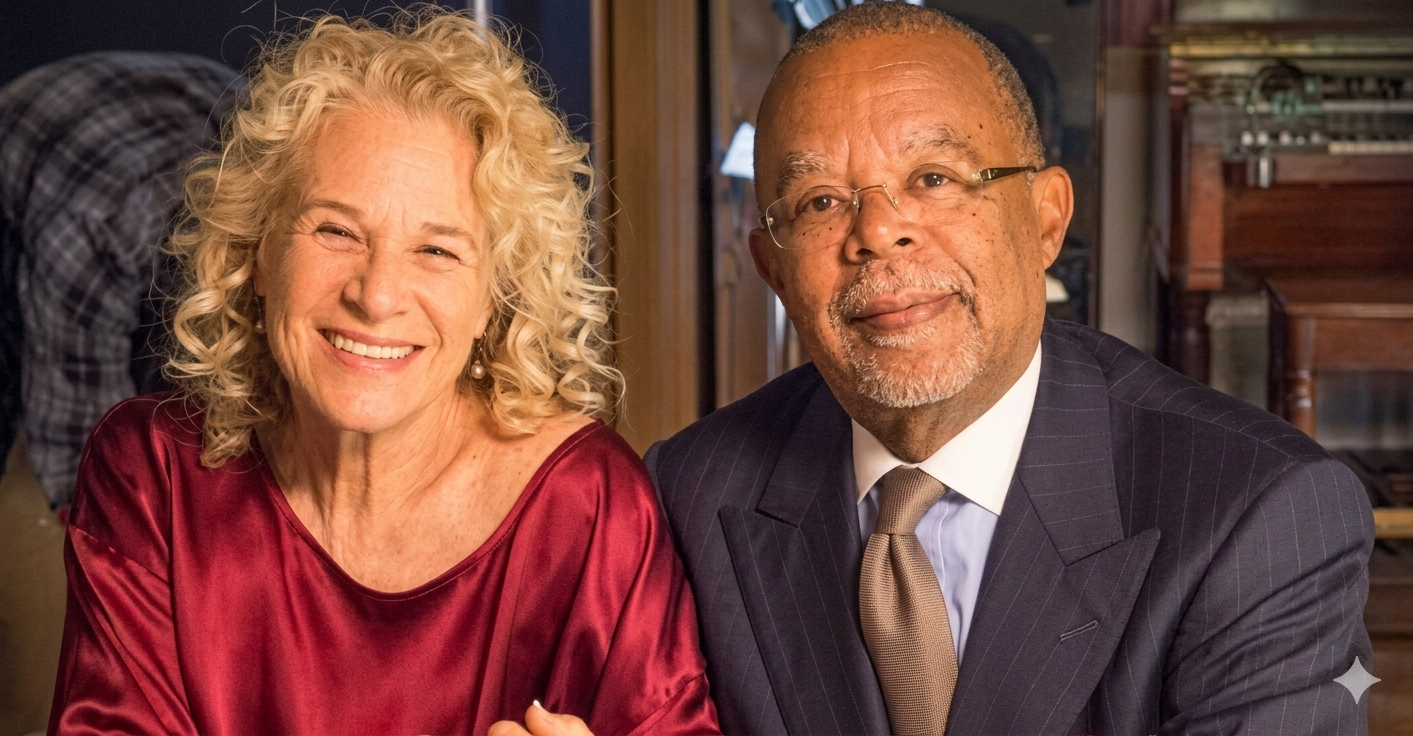
Sharon Lynn Adams journey began in an environment that prioritized the values of hard work and communal responsibility. Growing up, she was influenced by a family structure that viewed success not as a solitary achievement but as a means to lift others. Her early education was marked by a keen interest in human behavior and social structures, prompting her to pursue studies that allowed her to understand the intricacies of community dynamics. It was during these formative years that she developed the “social conscience” that would become the hallmark of her later career.
Those who knew her in her youth often describe a person with an uncanny ability to listen—a trait that would later make her an effective mediator and advocate. By the time she entered the professional world, she had already cultivated a worldview that saw potential where others saw deficiency, a perspective that allowed her to approach complex social issues with a sense of hopeful pragmatism.
Professional Contributions and Career Milestones
The professional trajectory of Sharon Lynn Adams is characterized by a steady ascent into roles of significant influence, primarily within the realms of social advocacy and public service. Throughout her career, she held positions that required a delicate balance between administrative rigor and compassionate outreach. Whether working within government agencies or non-profit organizations, Adams was known for her “boots-on-the-ground” approach.
One of her most significant contributions involved the restructuring of service delivery models to ensure that resources actually reached the most vulnerable populations. She was a vocal critic of bureaucracy that prioritized paperwork over people, and she worked tirelessly to streamline processes to make aid more accessible. Her leadership style was collaborative; she believed that the best solutions came from the people living through the problems, not just the experts analyzing them from afar.
Community Advocacy and Grassroots Initiatives
Beyond her professional titles, Sharon Lynn Adams was a fixture in grassroots movements. She understood that systemic change often begins at the kitchen table or in the local community center. She was instrumental in launching several initiatives aimed at urban renewal and youth mentorship. Her work in these areas wasn’t just about providing funding; it was about building capacity.
Adams was particularly focused on the empowerment of women and minorities within the economic sphere. She facilitated workshops, established micro-grant programs, and acted as a liaison between local small businesses and larger financial institutions. By fostering these connections, she helped create a more resilient local economy that benefited a wider cross-section of the population. Her ability to translate complex policy into actionable community goals made her an indispensable asset to local organizers.
The Human Element: Values and Character
What truly set Sharon Lynn Adams apart was her unwavering integrity. In fields where burnout is common and cynicism can easily take root, she remained steadfastly optimistic. Her resilience was rooted in a deep-seated belief in the inherent dignity of every individual. This wasn’t a superficial sentiment; it was a rigorous ethical framework that guided every decision she made.
Related Posts
As a mentor, Adams was known for her “tough love” and her ability to identify untapped potential in young professionals. She didn’t just teach them how to do a job; she taught them how to navigate the moral complexities of public service. Many leaders today trace their commitment to ethics back to a conversation or a project shared with Adams. She led by example, demonstrating that one could be both effective and kind.
Challenges and Overcoming Adversity
The path Sharon Lynn Adams walked was not without its obstacles. She frequently encountered resistance from established institutions that were wary of her reformist energy. There were seasons of her life characterized by significant setbacks—funding cuts for her favorite programs, political shifts that de-prioritized social welfare, and the personal toll that high-stakes advocacy work inevitably takes.
However, Adams viewed these challenges as diagnostic tools. When a program failed, she didn’t see it as a defeat but as evidence of what needed to be adjusted. Her persistence was legendary; she had a way of returning to the table with a new strategy and a renewed sense of purpose. This ability to “fail forward” allowed her to achieve long-term goals that many had deemed impossible.
Legacy and Long-term Influence
Today, the legacy of Sharon Lynn Adams is visible in the thriving community programs she helped establish and the generation of leaders she helped train. Her influence is not confined to a single building or a specific law, but is woven into the fabric of the communities she served. The “Adams Ripple Effect” refers to the way her small, localized interventions eventually grew into broad, systemic changes.
Her life reminds us that the work of justice and community building is a marathon, not a sprint. It requires a unique blend of patience, expertise, and a refusal to look away from suffering. As we analyze the social landscapes of the 21st century, the principles Adams lived by—transparency, empathy, and grassroots engagement—remain more relevant than ever.
Conclusion
Sharon Lynn Adams was more than an advocate; she was a bridge-builder. She bridged the gap between the marginalized and the powerful, between theory and practice, and between what is and what could be. Her 1,000-watt personality and her quiet, steely resolve created a legacy that continues to inspire. In a world that often feels fractured, her life serves as a blueprint for how to reconstruct a sense of community and shared purpose. Her story is a reminder that while one person cannot change the whole world at once, they can certainly change the world for the people in their own backyard, and that is where the most meaningful history is written.

Comments are closed.